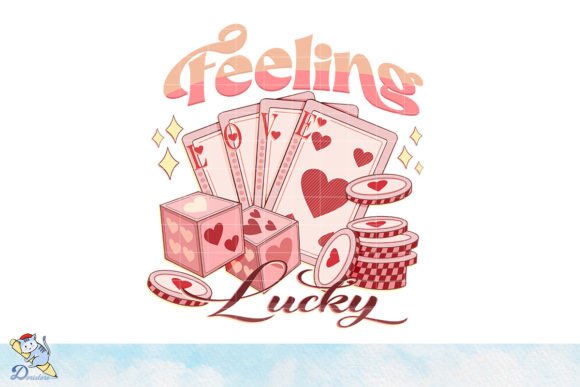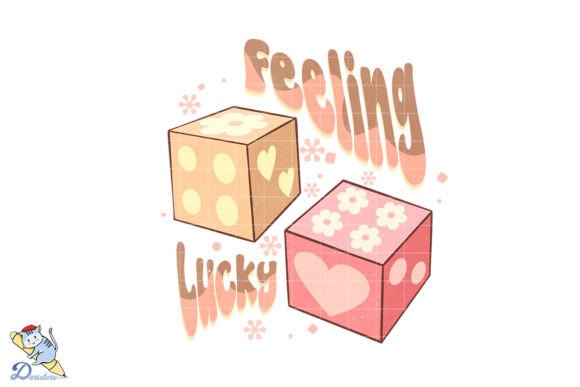
Feeling Lucky Valentine Retro: A Review of Personalised Pen Sketches
In the landscape of digital assets for creative professionals and small business owners, finding a balance between automated efficiency and genuine artistic touch is often challenging. The Feeling Lucky Valentine Retro product offering addresses this gap by providing a classic personalised pen sketch derived from a customer's favourite photograph. This service transforms a static digital image into a flowing line drawing rendered in pen and ink, subsequently coloured with watercolour brushes to highlight specific tones. For creators looking to add a bespoke element to their projects without commissioning a full traditional illustration, this approach offers a distinct aesthetic value.
The Artistic Process and Visual Characteristics
The core appeal of the Feeling Lucky Valentine Retro style lies in its mimicry of traditional media. Unlike vector graphics that rely on mathematical precision and rigid paths, this method utilises a freehand flowing line technique. The result captures the organic imperfections and rhythmic variations inherent in human hand-drawing. When a source photograph is processed through this workflow, the output retains the emotional resonance of the original image while adopting a nostalgic, retro visual language.
The application of watercolour brushes serves a functional as well as aesthetic purpose. Rather than filling the entire composition with flat colour, the artist selectively applies pigment to pick out highlight colours. This selective colouring draws the viewer's eye to focal points within the sketch, creating depth and dimension without overwhelming the delicate ink lines. The combination of black ink and subtle watercolour washes creates a sophisticated look that resonates well with audiences seeking vintage or artisanal qualities.
Technical Specifications and File Integrity
For professionals integrating these assets into commercial workflows, technical specifications are paramount. The Feeling Lucky Valentine Retro deliverables come as high-resolution PNG files. Specifically, the package includes a single PNG file housed within a zipped folder, boasting a resolution of 300 DPI at dimensions of 4000×4000 pixels. This resolution is significant because it ensures that the image remains crisp when printed at standard sizes, such as A4 or A3, without pixelation or loss of detail.
A critical feature for designers is the transparent background. In professional layout software like Adobe Photoshop, Illustrator, or Canva, having a transparent PNG allows for seamless integration over various textures, patterns, or photographic backgrounds. This flexibility is essential for sublimation printing, waterslide decal creation, or standard paper printing. However, users must note that this product does not include cutting files (such as SVG or DXF). Consequently, it is not suitable for vinyl cutters or laser engraving machines that require vector paths for material removal. It is strictly a raster-based asset intended for reproduction via inkjet, laser, or sublimation printers.
Practical Applications for Business and Hobbyists
The versatility of the Feeling Lucky Valentine Retro sketches makes them applicable across several sectors. Entrepreneurs running print-on-demand businesses can utilise these files to create unique greeting cards, posters, or framed art. The retro aesthetic aligns particularly well with Valentine's Day marketing, but the style is adaptable enough for year-round use in home decor or event memorabilia.
Marketers and bloggers often seek content that feels personal and authentic. Using a custom sketch of a client, a pet, or a landmark adds a layer of storytelling that stock photography cannot replicate. For example, a wedding planner might offer these sketches as a digital gift for couples, allowing them to print the artwork in varying sizes for their home. Similarly, educators can use this format to create personalized classroom decorations or motivational posters featuring students or school mascots, provided they have the necessary rights to the source photographs.
Workflow Integration and Usability
From a usability standpoint, the instant download nature of the product streamlines the production timeline. Once the artist completes the sketch based on the uploaded photograph, the digital file is immediately available. This eliminates shipping costs and delays associated with physical commissions. The process is straightforward: upload a photo, receive the file, and proceed to print.
However, successful implementation requires an understanding of colour management. The product description explicitly states that colours may vary between devices and printers. This is a standard limitation in the digital printing industry, caused by differences in monitor calibration and printer ink profiles. Professionals should anticipate a need for minor colour correction within their design software before final production. Relying solely on the screen preview without accounting for the CMYK conversion or specific paper type may lead to discrepancies between the expected watercolour highlights and the final print.
Evaluating Quality and Long-Term Value
When assessing the long-term value of the Feeling Lucky Valentine Retro asset, one must consider the permanence of the design trend. While "retro" styles fluctuate in popularity, the fundamental appeal of hand-drawn portraiture remains consistent. Unlike highly stylized vector trends that may date quickly, the freehand ink and watercolour aesthetic has a timeless quality. This suggests that the investment in such a personalised piece holds value beyond immediate seasonal promotions.
The quality of the final output is heavily dependent on the source photograph provided by the user. High-contrast images with clear subjects tend to yield the best results when converted to flowing line drawings. Blurry or low-light photos may struggle to capture the definition required for the ink lines to flow naturally. Therefore, the reliability of the end product is a collaborative effort between the artist's skill and the user's input quality.
Furthermore, the restriction to PNG formats limits the scalability for certain industrial applications. If a project requires scaling the image to billboard size or modifying individual elements of the drawing, a vector format would be superior. For most consumer-grade printing needs, however, the 4000×4000 pixel resolution provides ample headroom. The lack of cutting files is a deliberate design choice that reinforces the product's identity as a printable graphic rather than a die-cut template.
Who Benefits Most?
This product is ideally suited for individuals and small businesses that prioritise personalisation and artistic flair over mass-production uniformity. Freelancers offering custom gifts, boutique stationery brands, and social media managers creating unique engagement posts will find the Feeling Lucky Valentine Retro style particularly effective. It appeals to those who want to convey warmth and nostalgia without the high cost of hiring a traditional illustrator for every single project.
Conversely, large-scale manufacturers requiring strict colour consistency across thousands of units or companies needing editable vector layers for complex branding systems may find this format limiting. The variation in colour reproduction and the fixed raster format mean it is less suitable for rigid corporate identity guidelines where pixel-perfect accuracy is non-negotiable.
Conclusion on Suitability and Implementation
The Feeling Lucky Valentine Retro offering represents a practical solution for adding a human touch to digital products. By combining the efficiency of instant downloads with the aesthetic of hand-drawn art, it bridges the gap between automation and craftsmanship. Its strengths lie in its high resolution, transparent background, and distinctive watercolour accents, making it a robust choice for sublimation and standard printing projects.
Prospective users should approach this tool with a clear understanding of its limitations regarding colour variance and file format. When used correctly—paired with high-quality source photos and appropriate printing techniques—it delivers a sophisticated, emotive result that stands out in a market saturated with generic digital art. For professionals aiming to enhance their portfolio with unique, personalised visuals, this resource offers a reliable and creatively satisfying option.