Sweet Bottle Valentine: A Versatile Digital Asset for Creative Workflows
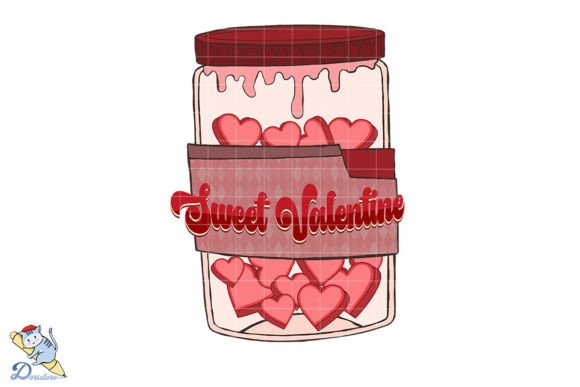
In the landscape of digital design and small business production, the quality and versatility of source assets often dictate the success of a final project. The Sweet Bottle Valentine is a specific digital illustration designed to bridge the gap between artistic concept and tangible product. This asset features a romantic bottle rendered in a freehand flowing line style, originally drawn with pen and ink. The aesthetic is further enhanced by the selective application of watercolour brushes, which introduce subtle highlight colours without overwhelming the delicate linework. For professionals ranging from sublimation artists to independent crafters, understanding how to integrate this specific file into a broader production workflow is essential for maximizing its potential.
Understanding the Asset Structure and Specifications
Before integrating any digital file into a creative process, it is critical to evaluate its technical specifications against project requirements. The Sweet Bottle Valentine is delivered as a high-resolution PNG file, encapsulated within a zipped folder for easy transfer and storage. The resolution stands at 300 DPI with dimensions of 4000×4000 pixels. These specifications are not arbitrary; they are chosen to ensure that the image remains crisp and detailed regardless of the output size. Whether the end goal is a small waterslide decal for a jewelry box or a large-scale print for a wall decoration, the pixel density supports scaling without the loss of clarity typically associated with lower-resolution graphics.
The format itself—a PNG with a transparent background—offers significant advantages in a layered design environment. Unlike JPEGs, which often include a solid white background that must be manually removed, this file allows designers to place the Sweet Bottle Valentine directly onto various substrates or background images. This transparency streamlines the pre-press workflow, reducing the time spent on masking and editing. It is important to note that while the visual fidelity is high, this product is strictly a raster image intended for printing. There are no vector cutting files included, meaning the asset is best suited for applications where the entire image is printed rather than cut out by a machine like a Cricut or Silhouette.
Integration into Sublimation and Waterslide Workflows
One of the primary use cases for the Sweet Bottle Valentine is in sublimation printing, a process widely used by entrepreneurs creating custom merchandise. In a typical sublimation workflow, the digital file serves as the master template. Because the drawing utilizes a freehand flowing line style, it translates exceptionally well to curved surfaces such as mugs, tumblers, and bottles. The organic nature of the pen and ink lines mimics hand-drawn art, adding a premium feel to mass-produced items. When preparing the file for sublimation, the artist should consider the orientation of the bottle relative to the curvature of the physical object to ensure the perspective looks natural once transferred.
For those working with waterslide decals, the high resolution of the Sweet Bottle Valentine ensures that fine details remain visible even after the transfer process. Waterslide applications often require a level of precision that lower-quality images cannot support. The watercolour highlights in the original drawing provide depth, preventing the final decal from appearing flat or one-dimensional. During the preparation phase, users should verify their printer settings to match the color profile of the file. Since colors may vary between devices and printers, a test print on plain paper is a recommended step before committing expensive waterslide paper or sublimation blanks. This quality control measure ensures that the soft hues of the watercolour accents appear as intended, maintaining the integrity of the original artwork.
Strategic Application in Marketing and Branding
Beyond physical products, the Sweet Bottle Valentine can serve as a powerful element in digital marketing and branding strategies. For bloggers, educators, and social media managers, having access to unique, high-quality imagery is vital for content differentiation. The romantic theme of the illustration makes it particularly relevant for campaigns surrounding Valentine's Day, anniversaries, or general self-care initiatives. However, its utility extends beyond seasonal promotions. The clean, artistic style fits well within minimalist brand identities, allowing it to be used in email newsletters, website banners, or social media posts without clashing with existing typography or layout elements.
When incorporating this asset into a marketing workflow, consistency is key. The freehand style suggests a human touch, which can be leveraged to build an emotional connection with the audience. Marketers can pair the image with copy that emphasizes craftsmanship, authenticity, or personal sentiment. Because the file is provided as a digital download, it offers immediate availability, allowing teams to react quickly to trending topics or urgent campaign deadlines. This instant accessibility reduces the friction often found in waiting for commissioned illustrations or navigating complex licensing agreements with stock photo sites.
Technical Considerations for Printing and Color Management
A critical aspect of using the Sweet Bottle Valentine effectively involves managing expectations regarding color reproduction. The description notes that colors may vary between devices and printers, a standard reality in digital imaging but one that requires active management. The watercolour brush effects rely on subtle gradients and transparency levels that can shift depending on the monitor calibration and the ink set used in the printer. To mitigate this, professionals should utilize color management software or profiles specific to their printing hardware. If the workflow involves sending the file to a third-party print service, clear communication regarding the desired color outcome is necessary.
Furthermore, the lack of cutting files dictates specific usage boundaries. Users attempting to use this asset with vinyl cutters will find that the intricate linework and watercolour washes cannot be separated into distinct layers for weeding. Therefore, the implementation strategy must focus on full-image printing methods. This includes regular printing for scrapbooking, card making, or poster creation. For those accustomed to die-cut workflows, adapting to a print-only approach requires a shift in planning, focusing instead on how the image interacts with the background material rather than how it sits on top of it.
Optimizing Organization and Long-Term Usability
Effective asset management is a cornerstone of professional productivity. Upon downloading the Sweet Bottle Valentine, the file arrives in a zipped folder containing the single PNG image. Best practices suggest immediately extracting this file and organizing it within a structured digital library. Categorizing the asset under themes such as "Romance," "Valentine's Day," or "Hand-Drawn Illustrations" ensures quick retrieval for future projects. Given the high resolution (4000×4000 pixels), the file size may be substantial, so storing it in a cloud-based backup system or an external hard drive is advisable to prevent data loss.
Long-term usability also depends on documenting the specific parameters of the file. Keeping a record of the DPI, pixel dimensions, and known color variations helps streamline future projects. If a team member needs to use the asset later, having these specifications readily available prevents trial-and-error during the setup phase. Additionally, because this is a digital instant download, there is no physical inventory to manage, freeing up resources for other aspects of the business. This efficiency allows creators to scale their operations without being bogged down by logistics, focusing instead on the creative execution and distribution of their products.
Conclusion on Workflow Integration
The Sweet Bottle Valentine represents more than just a decorative image; it is a functional tool designed to enhance the capabilities of digital creators and small business owners. By understanding its technical constraints and leveraging its strengths—such as high resolution, transparency, and artistic style—users can seamlessly integrate it into diverse workflows. From sublimation and waterslide applications to digital marketing and print-on-demand services, the asset offers flexibility and quality. Success lies in proper preparation, color management, and organizational discipline, ensuring that the romantic charm of the pen and ink illustration is preserved in every final output. As the demand for personalized, high-quality goods continues to grow, assets like this provide the foundation for efficient, scalable, and aesthetically pleasing results.