Baseball Retro: A Guide to Digital Art Evaluation
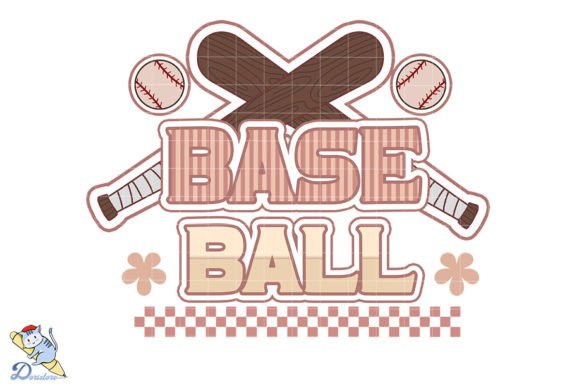
In the realm of digital art and print design, the Baseball Retro collection offers a specific aesthetic that blends traditional craftsmanship with modern utility. This style is defined by its unique production method: images are originally drawn with pen and ink in a freehand flowing line, then reproduced as high-resolution digital files. The artwork is subsequently coloured with watercolour brushes to highlight specific elements, creating a distinct visual texture that mimics hand-painted illustrations. For individuals researching, evaluating, or selecting art for personal or commercial projects, understanding the nuances of this format is essential before making a purchase.
Understanding the Baseball Retro Aesthetic
The core appeal of Baseball Retro lies in its hybrid nature. It captures the organic imperfection of human hand-drawing while providing the scalability of a digital asset. The "freehand flowing line" technique ensures that no two strokes are perfectly uniform, avoiding the sterile look often associated with vector graphics or AI-generated imagery. When these ink lines are paired with watercolour washes, the result is an image that feels nostalgic yet vibrant. This style is particularly effective for subjects like sports memorabilia, where the history and tradition of the game align well with a vintage artistic approach.
Technically, the product delivers a PNG file contained within a zipped folder. The specifications typically include a resolution of 300 DPI (dots per inch) with dimensions of 4000×4000 pixels. These metrics are critical for anyone intending to print the artwork. A resolution of 300 DPI is the industry standard for high-quality printing, ensuring that the image remains sharp and clear without pixelation when transferred to physical media. The 4000×4000 pixel count provides significant flexibility regarding the final output size, allowing for large-format prints while maintaining detail.
Reasons to Consider This Style
There are several practical reasons why a consumer might evaluate Baseball Retro for their needs. First, the aesthetic serves as a strong fit for enthusiasts looking to decorate spaces with a specific thematic identity. Unlike generic stock photography, this style offers a curated look that suggests a love for the history of the sport. The combination of ink and watercolour adds depth and character to walls, merchandise, or digital backgrounds in a way that flat, solid-colour graphics cannot achieve.
Secondly, the digital format offers logistical advantages. Because the file is provided as a PNG, it features a transparent background. This transparency is invaluable for designers who need to overlay the artwork onto different textures, t-shirts, mugs, or website headers. The ability to manipulate the placement of the image without dealing with a white box around the subject streamlines the design process significantly. Furthermore, the high resolution means that the same file can be used for a small coaster or a large poster, reducing the need to purchase multiple versions of the same image.
Benefits and Tradeoffs
When weighing the value of Baseball Retro, it is important to consider both the benefits and the inherent tradeoffs of this medium.
- Scalability: The primary benefit is the ability to print at various sizes. With 4000×4000 pixels, users can produce large prints without losing quality. However, there is a limit; stretching the image beyond its mathematical capacity will eventually degrade the quality, so users must calculate their required print dimensions carefully.
- Aesthetic Authenticity: The hand-drawn quality provides a sense of authenticity that appeals to collectors. Conversely, this same characteristic means the image may not suit designs requiring crisp, geometric precision. If a project demands strict alignment or photorealism, the flowing lines of this style may appear too loose or informal.
- File Format Limitations: While PNG files are excellent for web use and general printing, they are raster images. Unlike vector files (such as SVG or EPS), they cannot be infinitely scaled without some loss of fidelity. Additionally, PNG files do not support editable layers, meaning the ink lines and watercolour washes are flattened into a single image. Users cannot easily change the colour of the watercolour highlights without using advanced photo editing software.
Situations Where Baseball Retro is a Strong Fit
This digital art style is an ideal choice for specific scenarios. It works exceptionally well for home decor, such as framing a piece for a man cave, a child's bedroom, or a sports bar. The vintage feel complements rustic or industrial interior design themes. It is also suitable for small-batch merchandise creation. An entrepreneur looking to sell limited-run t-shirts or posters featuring classic baseball moments would find the nostalgic vibe of the ink and watercolour technique highly marketable.
Furthermore, the transparent PNG format makes it a strong candidate for digital marketing materials. Bloggers or content creators writing about baseball history can use these images as featured posts or social media graphics to break up text and add visual interest. The high contrast of the ink lines ensures readability even when overlaid on busy backgrounds, provided the watercolour highlights do not obscure key details.
When Alternatives May Be Worth Considering
Despite its strengths, Baseball Retro may not be the optimal solution for every project. If a user requires a logo for a professional sports team or a corporate entity, the freehand style might lack the necessary polish and uniformity. In such cases, vector-based logos created with geometric precision are generally preferred to ensure consistency across all mediums, from business cards to stadium signage.
Additionally, if the goal is to create a photorealistic tribute to a specific player or moment, this artistic interpretation might fall short. The stylized nature of the drawing abstracts reality rather than replicating it. Users seeking archival accuracy or documentary-style imagery should look toward high-resolution photography instead. Finally, if a designer needs to alter the composition—such as moving a player's arm or changing the background scenery—the flattened PNG format presents a significant barrier. In situations requiring extensive manipulation, purchasing a layered PSD file or commissioning custom vector art would be more efficient.
Practical Decision-Making Insights
To determine if Baseball Retro aligns with your goals, start by defining the intended output size. Calculate the maximum physical dimension you require based on the 300 DPI specification. A 4000×4000 pixel image printed at 300 DPI results in approximately 13.3 inches by 13.3 inches. If you need a larger print, you must assess whether a lower DPI (such as 150 DPI for billboards or distant viewing) is acceptable for your context.
Next, evaluate the technical requirements of your workflow. Ensure that your design software supports PNG files with transparency and that you have the capability to handle high-resolution raster images. If your workflow relies heavily on editable vectors, recognize that this file type will require a different approach to integration. Finally, consider the long-term usage. Since the file is digital, you retain the ability to reprint it indefinitely, which can be a cost-effective alternative to purchasing physical prints repeatedly. By carefully assessing these factors, you can make an informed decision on whether the unique blend of pen, ink, and watercolour offered in this digital format meets your specific creative and practical needs.