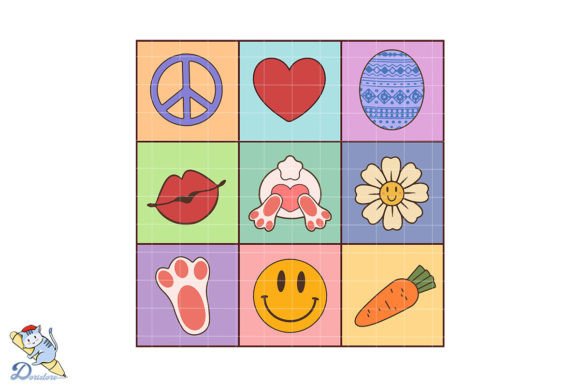
Easter Viber Retro: A Guide to the Pen, Ink, and Watercolour Digital Style
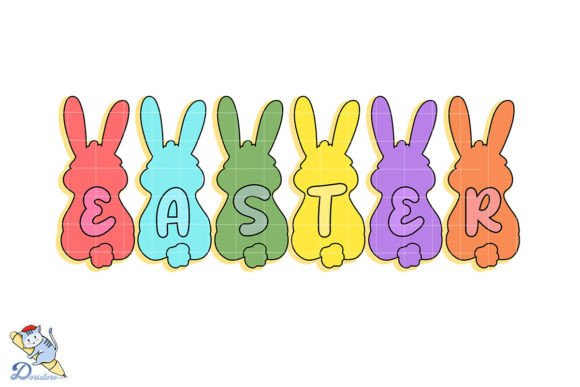
In the landscape of digital design assets, the Easter Viber Retro collection stands out for its specific commitment to mimicking traditional artistic techniques within a modern file format. This style is not merely a vector illustration or a flat graphic; it is a reproduction of a hand-drawn process. The core of this aesthetic lies in the freehand flowing line work created with pen and ink, subsequently enhanced with watercolour brushes to highlight specific elements. For designers, crafters, and content creators looking to add a touch of nostalgic warmth to their Easter projects, understanding the nuances of this format is essential before making a purchase decision.
The appeal of the Easter Viber Retro design is rooted in its tactile quality. Unlike computer-generated graphics that can feel sterile or overly perfect, this style embraces the slight imperfections and organic flow of human creativity. When you acquire the digital file, you are receiving a PNG image that captures the texture of ink on paper and the translucent layering of watercolour washes. This distinction is critical for projects where emotional resonance and an "authentic" feel are prioritized over geometric precision.
Understanding the Artistic Process and Technical Specifications
To evaluate whether Easter Viber Retro fits your project needs, one must first understand how the asset is constructed. The creation process begins with a physical drawing executed in pen and ink. This initial stage establishes the structure and character of the image through continuous, flowing lines that define the subject matter without rigid constraints. Once the ink dries, watercolour brushes are applied selectively. This technique does not aim to fill every space with colour; instead, it uses pigment to pick out a few highlight colours, allowing the white of the paper (or the transparency of the digital background) to remain visible in many areas.
This hybrid approach results in a unique visual hierarchy. The ink provides definition and contrast, while the watercolour adds depth and mood without overwhelming the composition. Technically, the final product is delivered as a high-resolution digital file. Specifically, the package includes a zipped folder containing one PNG file. The specifications are robust: 300 DPI resolution at dimensions of 4000×4000 pixels. These metrics are significant because they ensure the image remains sharp when printed at various sizes, from small greeting cards to large-scale posters, provided the output device supports the resolution.
The choice of PNG format is deliberate. Unlike JPEGs, which use lossy compression that can introduce artifacts around fine ink lines, PNG supports transparency and maintains edge clarity. This is particularly important for the delicate ink strokes found in the Easter Viber Retro style. The high pixel count ensures that when the image is scaled up for printing, the individual brush strokes and ink textures do not become pixelated or blurry.
Comparing Hand-Drawn Styles with Vector and Flat Design
When selecting resources for Easter-themed projects, creators often face a choice between hand-drawn reproductions like Easter Viber Retro, scalable vector graphics (SVG), or flat minimalist designs. Each format serves different purposes and offers distinct tradeoffs.
Vector Graphics vs. Raster Reproduction
Vector graphics are mathematically defined shapes that can be scaled infinitely without losing quality. They are ideal for logos, icons, and designs requiring crisp, clean edges. However, vectors often lack the organic texture of real media. If a project requires the look of actual pen strokes and watercolour bleed, a vector approximation may feel artificial. The Easter Viber Retro style, being a raster image (PNG), captures the true randomness and texture of the original medium. While it cannot be scaled beyond its native resolution without some quality loss, the 4000×4000 pixel size covers most practical print needs. The tradeoff is flexibility versus authenticity; vectors offer infinite scalability, but the Easter Viber Retro file offers genuine artistic texture.
Flat Design vs. Textured Illustration
Flat design relies on solid blocks of colour and simple geometry. It is highly effective for modern UI/UX and clean marketing materials but can sometimes appear cold or generic for holiday themes that benefit from tradition and warmth. In contrast, the watercolour highlights in the Easter Viber Retro collection introduce a sense of movement and softness. The interplay between the hard lines of the ink and the soft gradients of the watercolour creates a dynamic visual interest that flat design cannot replicate. For audiences aged 20–50 who appreciate craftsmanship and retro aesthetics, the textured approach often resonates more deeply than sterile flat graphics.
Evaluating Use Cases and Best-Fit Situations
Determining when Easter Viber Retro is the right choice depends heavily on the intended application. The combination of pen, ink, and watercolour makes this style particularly well-suited for projects that require a personal, artisanal touch.
- Greeting Cards and Stationery: The nostalgic quality of the ink and watercolour style pairs exceptionally well with physical stationery. The 300 DPI resolution ensures that the subtle details of the brushwork translate beautifully to cardstock.
- Home Decor and Wall Art: For those creating framed prints or canvas art, the freehand flowing lines add a gallery-like feel. The selective colouring allows the artwork to blend into various interior design schemes without being overly loud.
- Social Media Content: In an era dominated by polished, corporate imagery, a hand-drawn style can help brands stand out. Using the Easter Viber Retro files for Instagram stories or blog headers can convey a sense of authenticity and community.
- Crafting and DIY Projects: Hobbyists using sublimation printers or Cricut machines will find the high-resolution PNG suitable for transferring onto fabric, mugs, or t-shirts. The transparency of the PNG file makes it easy to overlay onto different backgrounds.
However, there are scenarios where this specific style may not be the optimal solution. If a project requires strict brand consistency with specific Pantone colours, the variability inherent in a watercolour reproduction might be a limitation. Similarly, if the design needs to be resized significantly larger than the original 4000×4000 pixel dimensions allow, a vector-based alternative would be safer to avoid pixelation. Additionally, for technical diagrams or data visualization, the organic nature of the ink lines could detract from clarity.
Decision Factors: Strengths and Limitations
Before integrating Easter Viber Retro into a workflow, it is prudent to weigh its strengths against potential limitations. The primary strength is the emotional connection it fosters. The visible evidence of human hand—through the flow of the pen and the wash of the watercolour—creates a narrative of care and effort. This is a powerful tool for engagement, especially during holidays like Easter where tradition and sentiment are central.
Another advantage is the versatility of the digital format. The inclusion of a single, high-quality PNG file in a zipped folder simplifies the download and usage process. Users do not need specialized software to open or edit the basic file; standard image viewers and design tools can handle it easily. The 300 DPI standard aligns with professional printing requirements, removing the guesswork regarding image quality.
Conversely, the limitations stem from the fixed nature of the raster file. Unlike a layered PSD or an editable vector file, the Easter Viber Retro image is a finished composition. You cannot easily separate the ink lines from the watercolour layers to adjust them independently. If a client requires extensive customization of the underlying elements, this pre-composed style may require additional work or a different source file type. Furthermore, the "retro" aesthetic, while popular, may not align with ultra-modern or futuristic design briefs. It is a style that leans towards warmth and nostalgia, which may clash with sleek, minimalist branding.
Practical Considerations for Implementation
For those deciding to proceed with the Easter Viber Retro digital files, practical implementation involves ensuring the file is handled correctly to maintain its integrity. Since the file is a PNG, preserving the alpha channel (transparency) is crucial. When placing the image onto a background in design software, ensure that the background layer is set appropriately so the transparent areas reveal the intended surface colour rather than a white box.
Regarding printing, while the file is ready at 300 DPI, the physical output quality also depends on the printer and paper stock. The watercolour effects in the digital file are designed to mimic the absorption of pigment into paper. Using a matte or textured paper stock for physical prints will enhance this effect, whereas glossy paper might make the image appear flatter than intended. Testing a small print run before committing to a large batch is always a recommended practice to verify that the ink lines remain crisp and the colour highlights render accurately on your specific hardware.
Ultimately, the choice to use Easter Viber Retro comes down to the desired emotional impact of the project. If the goal is to create something that feels handmade, warm, and connected to tradition, this style offers a compelling solution. It bridges the gap between the efficiency of digital files and the soul of traditional art. By understanding its technical specifications, comparing it against vector and flat alternatives, and recognizing its best-fit scenarios, creators can make an informed decision that aligns with their specific design objectives.